

Buttercup Season: What Is Your Pasture Telling You? 🌼🐴
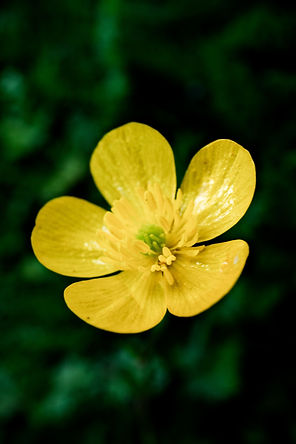
As the warmer months arrive, many horse owners will start noticing those familiar little yellow flowers popping up throughout their paddocks.
Buttercup might look harmless, but its presence can tell us quite a bit about what's happening beneath our horses' hooves.
While a few buttercups aren't necessarily cause for concern, an increasing population can be a sign that your pasture needs a little attention.
Why Is Buttercup Growing in My Horse Paddock?
Buttercup often thrives where pasture is struggling to compete. Damp, compacted, poorly drained or overgrazed areas can create ideal conditions for it to establish.
Soil acidity and nutrient imbalances may also play a part, depending on the buttercup species and existing soil conditions.
And here's something worth thinking about — our horses can contribute to these conditions.
It's not that horses themselves are acidic. It's the way they graze and move around their paddocks.
Horses are selective grazers. They'll often graze their favourite areas right down while leaving other patches long and untouched. Over time, this creates uneven pasture growth and gives weeds an opportunity to establish.
Add in the weight of a horse repeatedly travelling over the same ground, particularly during wetter months, and soil compaction can become an issue.
Concentrated urine and manure patches can also create uneven nutrient distribution throughout the paddock.
The result? Areas where desirable pasture species struggle and buttercup can take advantage.
Is Buttercup Harmful to Horses?
Generally, horses are pretty good at avoiding fresh buttercup when they have plenty of other grazing available.
But we all know there's always that one horse — the paddock Labrador who'll give just about anything a crack! 😂
Fresh buttercup contains a compound that releases protoanemonin, an irritating substance that can affect the mouth and digestive system when eaten.
Something owners may not realise is that ingestion isn't the only concern.
For some horses, contact with fresh, damaged buttercup plants as they push through thick patches to reach the grass underneath can cause irritation and blistering around the muzzle, lips and other sensitive areas.
Buttercup exposure can sometimes be confused with photosensitisation because the resulting skin irritation may look similar. However, buttercup is primarily a contact and ingestion irritant, rather than a typical cause of true photosensitisation.
If your horse develops unexplained blistering, swelling or skin sensitivity, it's worth having your veterinarian assess the cause.
Managing Buttercup: Short-Term Options
If buttercup has already established itself throughout your paddocks, there are a couple of ways to help bring it under control.
1. Spraying
Using an appropriate selective broadleaf herbicide can be an effective way to manage buttercup while preserving desirable pasture grasses.
The key is choosing a product suitable for your pasture and the buttercup species present.
Always follow the manufacturer's directions, including grazing withholding periods and any restrictions around livestock.
Remember, spraying may remove the existing buttercup, but unless the underlying pasture conditions improve, it can return.
2. Topping or Mowing
Regular topping can help prevent buttercup from flowering and setting seed, reducing its opportunity to spread.
It can also help manage uneven pasture growth and encourage more consistent grazing.
However, topping alone is unlikely to eliminate established perennial buttercup plants, particularly those with established root systems.
Think of it as one tool in your pasture management toolbox.
Long-Term Solutions: Building Better Pasture
This is where we can start making a real difference.
Rather than constantly fighting weeds, the goal is to create pasture conditions where desirable grasses and other suitable forage plants can thrive and compete naturally.
1. Start With a Soil Test
Before reaching for the lime or fertiliser, find out what your soil actually needs.
A soil test can identify:
Soil pH and whether acidity needs correcting
Important nutrient levels, including phosphorus, potassium, sulphur and magnesium
Nutrient imbalances that may be limiting pasture growth
Where fertiliser or lime applications could be beneficial
It's easy to assume that buttercup means your soil is sour, but that's not always the case.
A soil test takes the guesswork out of pasture management.
2. Lime and Fertiliser
If your soil test indicates low pH, agricultural lime can help raise the pH over time, improving conditions for desirable pasture species and supporting nutrient availability.
Fertiliser can also play an important role in encouraging stronger, more competitive pasture growth where nutrient deficiencies exist.
However, applying more fertiliser isn't necessarily better.
Excess nutrients can create imbalances, unnecessary expense and environmental losses. For horse paddocks, we also need to consider how changes in pasture growth and nutritional composition may affect our horses.
The best approach is to apply what your soil actually requires, at an appropriate rate and time of year.
3. Cross-Grazing With Sheep
One option worth considering is introducing sheep into your grazing rotation.
Sheep and horses have different grazing preferences, and cross-grazing can help manage some of the longer, less desirable pasture areas that horses leave behind.
This can encourage more even pasture utilisation, reduce rank growth and help maintain a more consistent pasture height.
Cross-grazing isn't a guaranteed buttercup control method, but combined with appropriate stocking rates and pasture rest periods, it can help create a healthier, more competitive pasture.
Remember, sheep should not be relied upon to eat or control toxic buttercup plants.
4. Give Your Pasture a Chance to Recover
Sometimes one of the simplest improvements we can make is allowing our paddocks sufficient recovery time.
Repeated grazing down to very short residuals weakens desirable pasture plants, exposes bare ground and creates opportunities for weeds.
Where possible, rotational grazing, avoiding wet paddocks during vulnerable periods and addressing drainage or compaction issues can all contribute to healthier pasture.
A strong, well-established pasture is one of our best long-term defences against weed invasion.
Looking at the Bigger Picture
Buttercup is more than just an annoying yellow flower in the paddock.
It can be an opportunity to look a little closer at how our soil, pasture and grazing management are working together.
Of course, not every paddock is the same. Soil types, rainfall, drainage, stocking rates and grazing habits all influence what grows.
And here in Northland, our warm temperatures, seasonal rainfall and varying soil conditions can certainly keep pasture management interesting!
The important thing is to understand why buttercup is establishing, rather than simply treating what we can see above the ground.
At Holistic Hōiho, we're passionate about looking at the bigger picture when it comes to horse nutrition and management.
What grows in our paddocks ultimately contributes to what our horses consume, so understanding the soil and pasture is an important part of understanding their nutritional needs.
Healthy soil supports healthy pasture, and healthy pasture supports healthier horses.
What’s Under your horses feet?!!
Disclaimer: This article provides general pasture management information. Always seek advice from a qualified agronomist regarding herbicide selection, soil amendments and fertiliser applications, and consult your veterinarian if you suspect buttercup toxicity or skin irritation in your horse.


Comments