

Fuel for the Mahi – Are You Feeding Your Horse for the Work They Do?
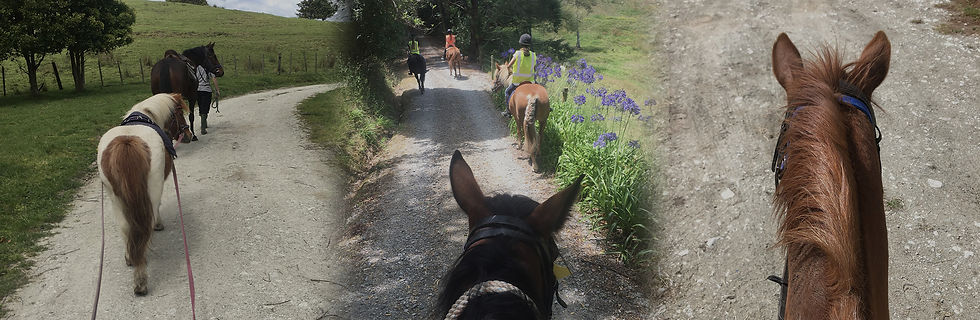
Not all horses need the same fuel. Are you feeding the horse in front of you, or simply feeding out of habit?
As the warmer months roll around, many of us are spending more time in the saddle. Whether it's trekking through the countryside, working stock, competing or simply enjoying a weekend ride, our horses are being asked to do more.
But have we stopped to consider whether their daily diet is keeping up?
Just like us, a horse's nutritional requirements change throughout its life. Age, breed, workload, body condition and the quality of available pasture all influence what goes into the feed bucket.
And sometimes, feeding more isn't necessarily feeding better.
Start With the Horse in Front of You
One of the most important things to remember about equine nutrition is that there is no single feeding programme that suits every horse.
A young, growing horse has different nutritional requirements from a mature horse in regular work. Likewise, an older horse enjoying retirement has different needs from one competing or working stock several days a week.
Age matters.
Young horses require appropriate energy, quality protein and balanced minerals to support growth and development. Mature horses need sufficient nutrition to maintain condition and meet their workload, while older horses may require adjustments as their ability to chew, digest or utilise feed changes.
Breed and type matter.
Some horses and ponies are naturally good doers, maintaining condition easily on relatively modest feed. Others, particularly certain Thoroughbred types and horses with higher energy requirements, may need additional nutritional support to maintain condition.
Understanding your horse's natural tendencies helps avoid both overfeeding and underfeeding.
Workload matters.
A horse grazing happily in the paddock has very different energy requirements from one mustering cattle, trekking for several hours or competing regularly.
As workload increases, energy requirements generally increase too. But how we provide that additional energy is just as important as how much we feed.
Fibre First – The Foundation of Every Feeding Programme
Before reaching for another scoop of hard feed, take a good look at what's already going into your horse.
Horses are designed to consume forage throughout the day. Pasture, hay and other suitable fibre sources should form the foundation of their diet.
Fibre supports normal digestive function and contributes energy through fermentation in the hindgut.
The quality and digestibility of that fibre can make a significant difference to how much usable energy a horse receives.
Not all fibre is equal.
Some fibre sources contain higher levels of lignin, a structural component of plants that horses cannot digest. As lignin levels increase, the digestibility of the surrounding plant material generally decreases.
This is why choosing quality, digestible fibre sources can be valuable when looking to increase the nutritional contribution of a horse's diet.
Energy – It's About More Than Just Grain
When we think about giving a horse more energy, it's easy to think of adding more grain.
But energy can come from several dietary sources, including fibre, fats and starch.
Each is utilised differently by the horse.
Fibre: Fermented in the hindgut, providing an important source of energy while supporting digestive health.
Fats: A concentrated source of energy that can be useful when additional calories are required without significantly increasing feed volume.
Starch: Digested primarily in the small intestine and provides readily available energy. However, excessive starch intake, particularly in large individual meals, can create digestive and metabolic challenges.
The aim isn't to eliminate any particular energy source unnecessarily. It's to find an appropriate balance for the individual horse.
For horses in regular work, a carefully balanced combination of digestible fibre, fats and controlled starch can help meet increased energy requirements.
Don't Forget Protein and Minerals
Energy is only one part of the picture.
Protein provides amino acids required for muscle maintenance, tissue repair and normal body function. Horses in different stages of growth, reproduction and work have varying protein requirements.
Minerals are equally important.
Calcium, phosphorus, magnesium and trace minerals all contribute to essential physiological functions, including muscle function, skeletal health and normal metabolism.
Importantly, feeding more of one mineral doesn't automatically create a better balance.
The total diet needs to be considered, including pasture, hay, supplementary feeds and any mineral products already being provided.
This is particularly relevant in New Zealand, where pasture composition, seasonal growth and soil conditions can influence the nutritional contribution of grazing.
Herbage testing can provide useful insight into what your horse is actually consuming, rather than relying on assumptions.
Recognising When Your Horse May Need More
A horse's nutritional requirements don't remain static throughout the year.
Seasonal pasture changes, increased exercise, travel, competition and changes in body condition can all signal the need to review the feeding programme.
Some useful questions to ask include:
Is my horse maintaining a healthy body condition?
Has their workload increased recently?
Are they receiving sufficient quality forage?
Is their current feed providing enough energy and quality protein?
Are their mineral requirements being met without unnecessary duplication?
Am I adjusting their feed as their needs change?
Remember, a horse appearing tired or lacking enthusiasm isn't always a feeding issue. Fitness, hydration, heat, pain and underlying health concerns should also be considered.
Feeding for the Work, Not Just the Season
Summer often brings more riding, longer days and busier schedules.
But warmer weather doesn't automatically mean every horse needs more feed.
A lightly ridden pony maintaining condition on quality pasture may require very little additional energy. Meanwhile, a horse working stock for several hours or competing regularly may benefit from carefully selected supplementary feed.
The key is to match the nutritional intake to the individual horse's actual requirements.
Feed for their age. Feed for their breed. Feed for their workload. Most importantly, feed for the horse standing in front of you.
Where Does Mahi Mix Fit In?
For horses requiring additional nutritional support alongside their existing forage, Holistic Hōiho Mahi Mix is one option worth considering.
Mahi Mix combines fibre, protein, fat and starch in a supplementary feed formulated with active horses in mind.
Its typical nutritional analysis includes:
30% fibre
14% protein
10% starch
7% fat
Mahi Mix contains no added multi-mineral component, allowing mineral supplementation to be considered separately according to the horse's existing diet and individual requirements.
It can be incorporated into a feeding programme where additional energy and nutritional support are appropriate, rather than being an automatic addition for every horse.
As with any feed, introduce changes gradually and consider the horse's complete ration.
Because ultimately, good feeding isn't about how many products we add to the bucket.
It's about understanding what our horses need and giving them the right fuel for the mahi ahead.
Holistic Hōiho – Stronger from the inside out.
Formulated in Aotearoa for Aotearoa.


Comments